Greenflame
Jottings on science, religion, technology, pop culture, photography and faith from the Aotearoa New Zealand
Category: Religion and Media
-

The weeks leading up to Christmas Day a populated by Santa parades, madcap shopping, a rush to finish work, Christmas parties, Christmas songs and carols – religious and secular – and the odd nativity play or reenactment. All of these form what Jason Clark calls consumer liturgies that demand our attention while relegating religious and…
-

Kingdom Come Publisher: DC Comics Writers: Mark Waid & Alex Ross Artist: Alex Ross Letterer: Todd Klein Kingdom Come pretty much has everything you could want in a comic: Interesting characters; familiar characters recast by circumstance; conflict; sacrifice; an apocalyptic edge; great art; redemption; and excellent storytelling. It’s one of my go-to comics for showing people…
-

I picked up a few comics and graphic novels in the past couple of months that have various religious themes, characters and motifs, so I thought I might do a Top 10 list and subsequent postings for my favourite comics with religious and spiritual material. This is the list of comics that I tend to…
-

One of the final writing projects of research leave is to put to bed a book chapter on angels and popular culture that I’ve been working on in fits and starts. I’ve tried a few ideas out as conference papers (Greenflame: All about angels this fortnight), as well as in the classroom and church contexts,…
-

The final part of starting points for reading science fiction with religious themes. The Chaplain’s War – Brad R. Torgersen (2014) This is effectively military science fiction in a similar vein to Joe Haldeman’s The Forever War (1974), Keith Laumer’s Bolo universe (1976-2010), Robert Heinlein’s Starship Troopers (1959), and Jack Campbell’s The Lost Fleet (2006-2010) series. Here…
-
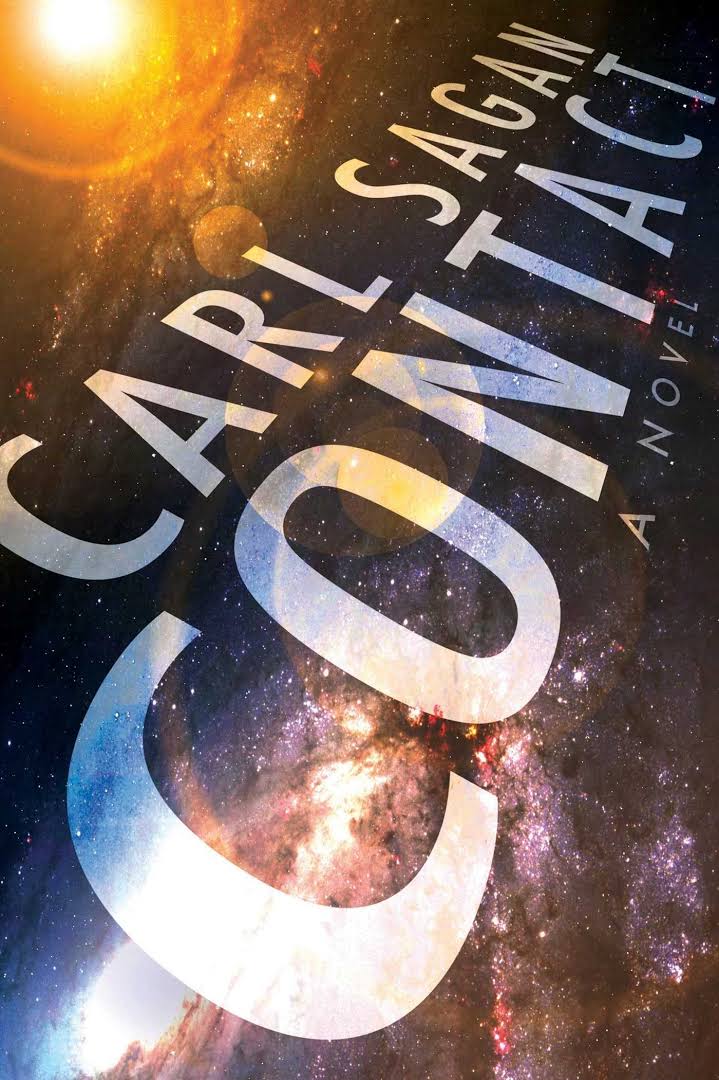
The third part of the theological science fiction starting point list (Part 1and Part 2). Contact – Carl Sagan (1985) The American cosmologist, Carl Sagan, penned this novel, originally meant to be a film script, which examines humanities first contact with extraterrestrial intelligence. Sagan described himself as agnostic, with his Gifford Lectures (which focus on…
-

Following on from Theological Science Fiction – Starting Points (Part 1) and Theology and Science Fiction here’s the second part of the starting points for theological science fiction. The Sparrow (1996) and The Children of God (1998) – Mary Doria Russell In the tradition of James’s Blish’s A Case of Conscience, these two novels feature a Jesuit expedition to the…
-

A few weeks back I did a guest lecture on “Science, Technology and Human Being” in the Laidlaw postgraduate course R202 God’s World: Theology and Science and Theology. I framed my discussion using a trajectory through science fiction starting with Mary Shelley’s “Frankenstein” through to contemporary narratives, focusing on the hopes and fears expressed about…
-

By its very nature science fiction is speculative, providing a safe space to ask critical questions about our current world within imaginative environments used to focus upon those questions. As theologian Stephen May comments, [s]uch invention can either suggest a universe as strange as possible (with equally strange creatures inhabiting it), or one like ours…
-

Each year I do a module in an undergradute Christology course that focuses on cinematic portrayals of Jesus, and I’m getting ready to do that again in late September. So, I’m looking at my DVD and digital media collection of films (and a few TV series) that deal explicitly with the portrayal of Jesus and…