The third part of the theological science fiction starting point list (Part 1and Part 2).
Contact – Carl Sagan (1985)
The American cosmologist, Carl Sagan, penned this novel, originally meant to be a film script, which examines humanities first contact with extraterrestrial intelligence. Sagan described himself as agnostic, with his Gifford Lectures (which focus on natural theology) collected together in the book The Varieties of Scientific Experience: A Personal View of the Search for God. One of the key themes running through this book is how, if at all, empirical reality and subjective experience, can be related, something that often forms part of the discussion between science and religion. (more…)
The Sparrow (1996) and The Children of God (1998) – Mary Doria Russell
In the tradition of James’s Blish’s A Case of Conscience, these two novels feature a Jesuit expedition to the first intelligent alien life discovered by humankind. It is an intelligent treatment of not just the interplay of faith and reason, but on a deeper level of theodicy and divine providence. The title of the first book refers to Matt 10:29-31 and God’s omniscience:
Are not two sparrows sold for a penny? Yet not one of them will fall to the ground unperceived by your Father. 30 And even the hairs of your head are all counted. 31 So do not be afraid; you are of more value than many sparrows. (NRSV)
A few weeks back I did a guest lecture on “Science, Technology and Human Being” in the Laidlaw postgraduate course R202 God’s World: Theology and Science and Theology. I framed my discussion using a trajectory through science fiction starting with Mary Shelley’s “Frankenstein” through to contemporary narratives, focusing on the hopes and fears expressed about science and technology at different points in that trajectory.
As part of that, I offered the students some starting points for engaging with science fiction writing with overt theological themes and characters. This wasn’t a definitive list, but somewhere they could start if they were unfamiliar with science fiction.
Here’s my first part of my list of starting points. (more…)
By its very nature science fiction is speculative, providing a safe space to ask critical questions about our current world within imaginative environments used to focus upon those questions. As theologian Stephen May comments,
[s]uch invention can either suggest a universe as strange as possible (with equally strange creatures inhabiting it), or one like ours – except for one vital difference.
Stephen May, Stardust and Ashes: Science Fiction in Christian Perspective (London: SPCK, 1998): 15.
Using the recent Marvel film “Black Panther” as a conversation start, the syllabus describes itself as:
A beginning, and continually-expanding look at the different streams, both theological and non-theological, that can inform a deeper understanding of the Marvel Comics Universe movie, “Black Panther.”
It’s an intriguing idea, and the material there is definitely thought provoking and worth looking through. Now I’m thinking about what things I might design a syllabus around.
When I was in Denver in August I visited the Denver Art Museum as part of the International Society for Media, Religion and Culture conference that was meeting in Boulder. Part of that involved visiting a number of curated installations, many of which showcased indigenous artists and their work.
Walking to the Denver Art Museum
Tucked away in one of the galleries was an installation based around the game “Never Alone”. I’d noticed this game before online, but had never seen it played. In the installation there were a cluster of consoles set up for people to play the game, with one wall showing the game play of from one of the consoles at any given time. Players were a mixture of children and adults, and all seemed to connect to with the game and its characters. On one of the walls there was a description of the history of the game as well as some still photographs of it.
What is unique about this game, is that it worked with indigenous people in Alaska to create an engaging game that told their stories, as opposed to simply appropriating them without permission as in the Civilization VI controversy with their inclusion of a Cree Civilization option (see Cree Nation headman unhappy with Civilization 6 portrayal)
From the art installation at DAM
You can see the trailer for the game here below:
Yesterday, I got a notification from Steam saying the game was on sale. To be honest, I’d forgotten I was going to buy it, so I immediately jumped over to the Steam store at got the game, the extra DLC and the soundtrack. At less than $NZ5 on sale it’s a steal. See the link below:
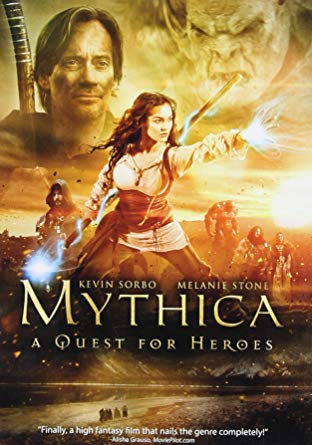
I’ve been sick at home for the past few days so have been spending some time movie watching. Not feeling like anything overly heavy, and indeed something that I could pick up the plot of again if I fell asleep, I gave the Mythica series a go seeing as I had the DVDs lying around.
It was cheap and cheerful. Think Dungeons and Dragons or some other ‘sword and sorcery’ form of popular culture. All the standard tropes were there: A rag-tag band of heroes seeking to save the world; an ancient evil to be overcome; standard character class mix (á la DnD Dragonlance series) – a warrior (Caramon?); a half-elf rogue/ranger (Tanis?); a magic user (Raistlin?); and a priestess (Crysania?); characters learning to trust each other and work together; endless journeying across wilderness and in caves and tunnels (Tunnels and Trolls anyone?); lead character (Marek) being tempted by the “Dark Side”; and an ancient mentor (Kevin Sorbo hamming it up) passing on his mantle to his apprentice
There are five films in the series, with the first four having the heroes attempt a quest and each time being thwarted by the villain seeking the ancient evil, and then the last film there’s the final clash between good and evil and everything works out.
The Mythica website bills the movies as “Mythica is the most ambitious indie fantasy project ever undertaken. The series is comprised of five feature films, shot over two years on location in Utah, USA.” A portion of the films’ financing came from Kickstarter too, and the films represented original content created for the ConTV network which serves content to the Comic Con audience.
You can get a feel of the films from the trailer.
It unashamedly feels like the Hercules or Xena TV shows if they had better special effects and longer story arcs. The acting is passable – thought uneven, the effects show their budget, and the villain lacks motivation, but the characters are willing and if you are prepared to take it as ‘cheap and cheerful’ it’s a fairly enjoyable, if somewhat predictable, romp playing to its fanboys and fangirls. You will be yelling a lot at the screen though.
However, my most enduring thought through the films was that it was like a movie version of the mid-80s video game ‘Gauntlet‘ where an elf, warrior, valkyrie and wizard team up in ‘hack and slash’ adventures to raid dungeons, defeat the bad guys, collect treasure and build experience. I half expected a voice to boom out in the movie, “Elf, your life-force is running out,” which would be appropriate as the elf character tends to get pincushioned by arrows and bolts in every movie.
Each year I do a module in an undergradute Christology course that focuses on cinematic portrayals of Jesus, and I’m getting ready to do that again in late September. So, I’m looking at my DVD and digital media collection of films (and a few TV series) that deal explicitly with the portrayal of Jesus and those around him, and wondering what to add to it.
A quick survey of the bookshelves in my office gives me the following films:
Over the next few weeks I’ll be adding to these. I’m particularly interested in locating some Jesus films from non-Western contexts, as well as trying to locate some of the very early cinematic portrayals of Jesus like the 1903 The Life and Passion of Christ (of which a painstakingly colourised version can be found on YouTube below).
Was listening to RNZ National “Nine to Noon” today and the interview with the producer of this amazing short silent film created by some teenagers down in Otago.
A Kiwi homage to the slapstick comedies of the early 20th century has found favour with international film judges.
Otago brothers Benaiah and Thomas Dunn clinched second place at the International Youth Silent Film Festival finals in Portland, Oregon this month for The Chase.
Inspired by Charlie Chaplin and Buster Keaton, you can see the film below. The music was provided by the competition as stock clips to use in anyway you wanted.

 Clearing out some links relating to artificial intelligence from my browser bar.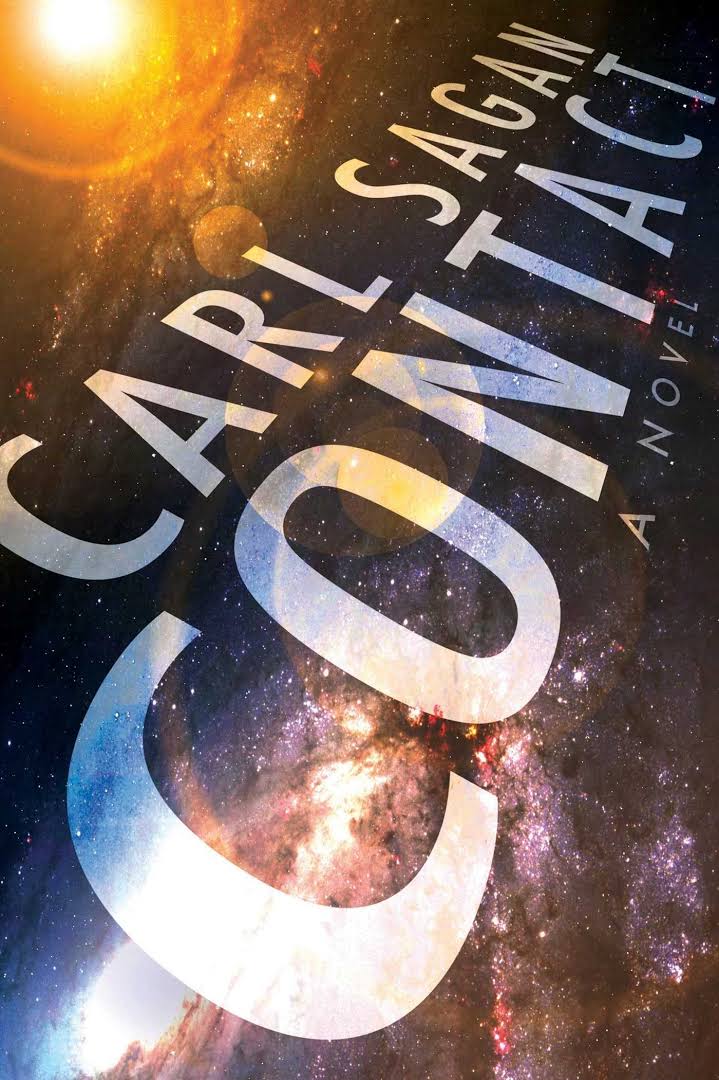
 Contact – Carl Sagan (1985)


 Matthew Brake over at the

 Walking to the Denver Art Museum